
Morocco Shorts began in 2019 at the Rabat International Author's Film Festival, a festival with a long history of celebrating film excellence. Initially part of this larger festival, Morocco Shorts evolved into an independent festival dedicated exclusively to short films, providing a platform for emerging filmmakers to show their talent.
The mission of Morocco Shorts is to promote young filmmakers by projecting their works, celebrating their artistic excellence and enhancing them at the beginning of their careers. The festival offers equal opportunities to both Moroccan and international participants, covering all cultures regardless of gender, religion or ethnicity. Our selection process focuses on diversity, respect for human rights, gender equality and global issues.
The Moroccan Short International Film Festival accepts proposals from Moroccan and international filmmakers in various categories: Fiction, Documentary, Animation, Experimental and Web and New Media. Applicants can be both students and independent professional filmmakers.
In addition to its rich selection of short films, the festival program includes master classes, seminars and workshops on various film themes. These events are held in collaboration with national and international partners.
Morocco Shorts is organized in collaboration with academic institutions such as ISMAC, ISIC, the Faculty of Education Sciences, the French Cultural Centre in Rabat, the Rabat International Copyright Film Festival, Beirut Shorts and the Beirut Film Society.
Morocco Shorts began in 2019 at the Rabat International Author Film Festival, a festival with a long history of celebrating cinematic excellence. Initially part of this large festival, Morocco Shorts developed into an independent festival dedicated solely to short films, providing a platform for emerging films to show their scores.
The mission of Morocco Shorts is to promote young filmmakers by screening their works, celebrating their artistic excellence, and empowering them at the start of their careers. The festival provides equal opportunities for both Morocco and international participants, embracing all cultures regardless of gender, religion, or ethnicity. Our selection process focuses on diversity, respect for human rights, gender equity, and global issues.
Morocco Short International Film Festival accepts submissions from both Morocco and international filmmakers in various categories: Fiction, Documentary, Animation, Experimental, and Web & New Media. Applications can be graduating students or professional independent filmmakers.
In addition to its rich selection of short films, the festival program includes master classes, seminars, and workshops on various filming topics. These events are conducted in collaboration with national and international partners.
Morocco Shorts is organized in partnership with academic institutions such as ISMAC, ISIC, the Faculty of Sciences of Education, the French Cultural Center in Rabat, Rabat International Author Film Festival, Beirut Shorts, and Beirut Film Society.
Country: Morocco
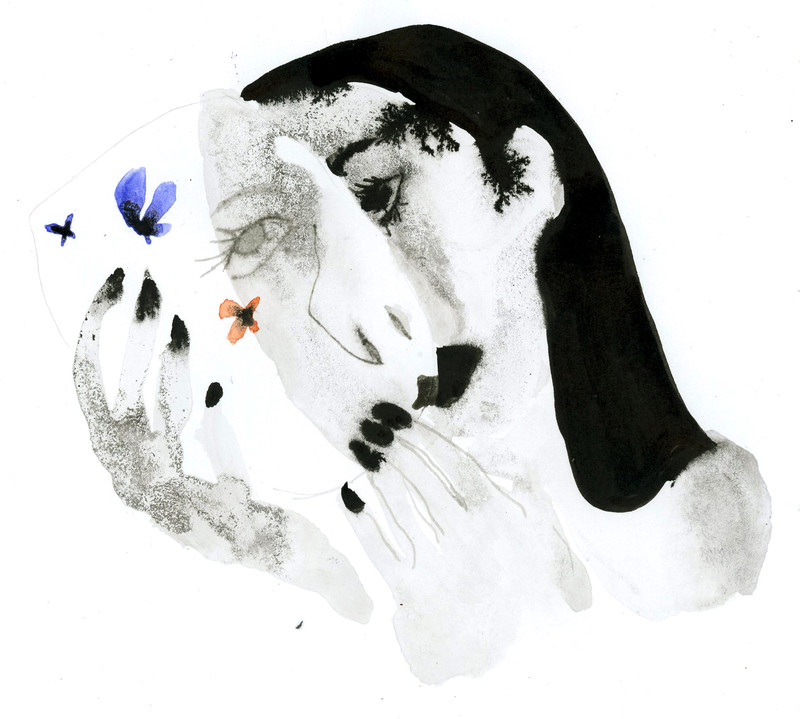
In a mysterious forest, a woman slowly immerses in a dream while watching butterflies.
In a mysterious forest, a woman is slowly lured into a daydream as she observes butterflies.
Sofia El Khyari
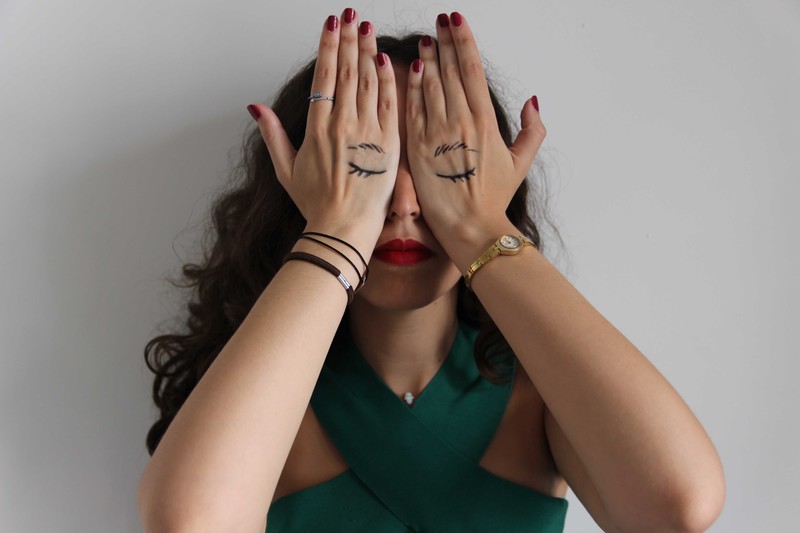
Sofia El Khyari is an animation filmmaker and visual artist born in Casablanca. In parallel to his master's studies in cultural management in France, he learned the profession of animation on his own before obtaining another master's degree at the Royal College of Art in London.
Since then, his films have been awarded and screened at multiple international festivals, such as the Locarno Film Festival, the Toronto International Film Festival (TIFF) and the Annecy Animation Film Festival. They have also been acquired and exhibited by prestigious museums and institutions such as the Institut du Monde Arabe and the Musée du Quai-Branly Jacques Chirac of Paris or the Cinémathèque Française.
Sofia El Khyari is an animation filmmaker and visual artist born in Casablanca. Alongside her Master studies in cultural management in France, she taught herself the craft of animation before obtaining another Master's Degree from the Royal College of Art in London.
Her films have since won awards and been screened at multiple international festivals, including the Locarno Film Festival, TIFF Toronto International Film Festival and Annecy animation film festival. They have also been acquired and exhibited by prestigious museum and institutions such as Institut du Monde Arabe and Musée du Quai-Branly Jacques Chirac in Paris or the Cinémathèque Française.
Country: Morocco
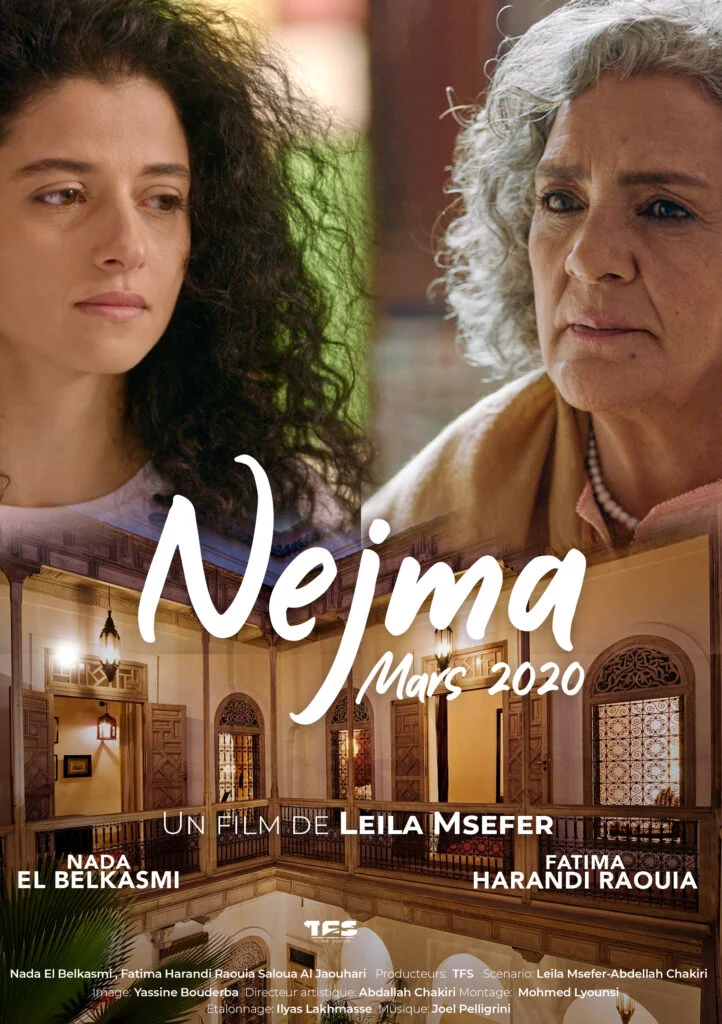
Nejma, thirty years old, arrives from Brussels to Casablanca for a work mission. At his father's request, he visits his grandmother, who he does not see since he was 12 years old and who he hardly knows.
Nejma is preparing to leave when an unexpected event forces the two women to be held together. This coexistence will not be free from conflict.
Nejma, thirties, arrives from Brussels to Casablanca for a work mission. At the request of her father, she visits her mother whom she has not seen since the age of 12 and whom she hardly know.
Nejma prepares to leave when an unexpected event forces the two women to confine themselves together. This coexistence will not be without conflicts.
Leila Msefer
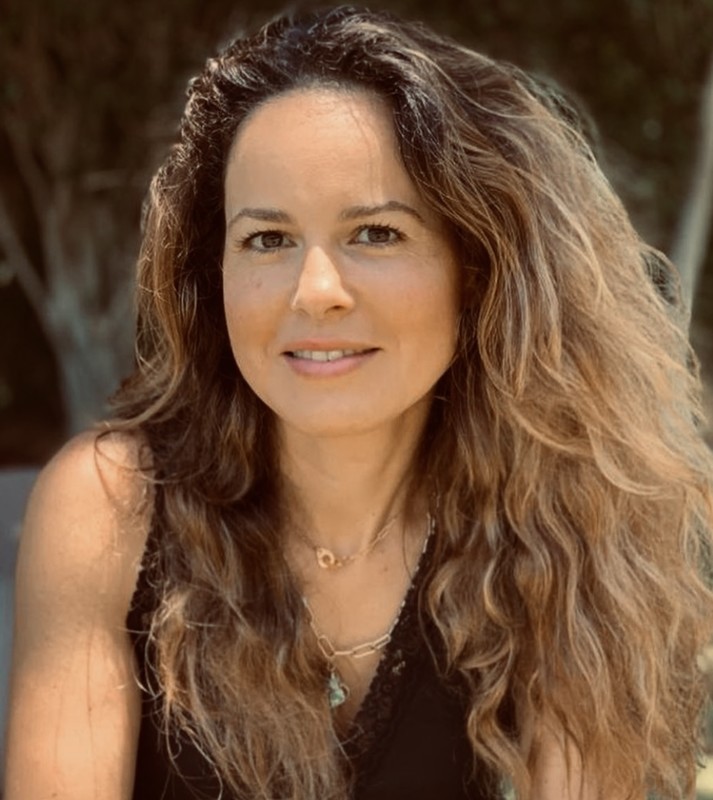
Woman, Moroccan, curious, architect, mother, Leila Msefer was born on 18 October 1973 in Casablanca.
Passioned by the cinema from a very young age, Leila did not decide to dedicate herself to it until after 20 years of architecture. In 2015 he obtained a degree in management and, at the same time, enrolled in several audiovisual training courses. At the same time, she continues to work as an architect in her study.
Finally, Leila directed her first short film "CASA MA BELLE" in 2020. In 2022, his second Nejma short film March 2020, sees the light.
Woman, Morocco, curious, architect, mother, Leila Msefer was born on October 18, 1973 in Casablanca.
Passion about cinema since a young age, Leila only decided to get into it after 20 years of architecture. She obtained a directing diploma in 2015, and simultaneously enrolled in various audiovisual training courses. At the same time, she continues to work as an architect in her studio.
Leila finally directed her first short film CASA MA BELLE in 2020.
In 2022, his second short film Nejma March 2020, sees the light.
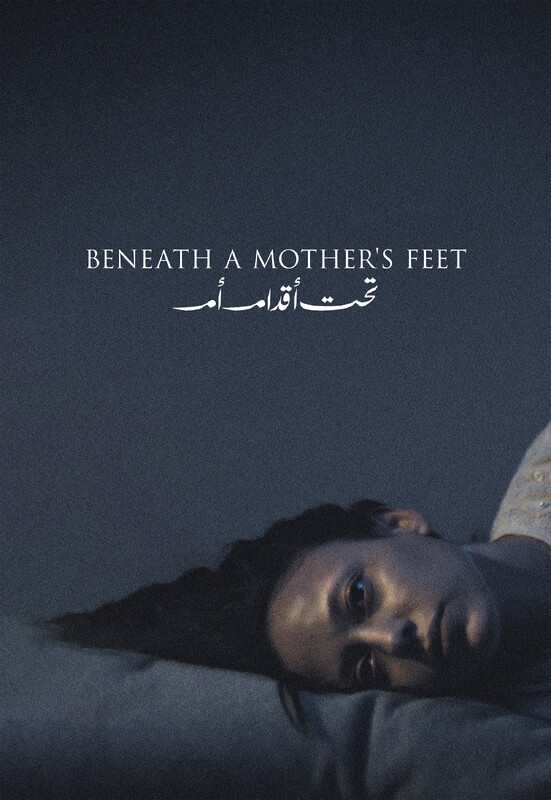
CountryMorocco
A single mother in Morocco, trapped in a worldly existence, faces her dreams and fears, leading her to the distressing decision to give up everything she knows, even her children.
A single mother in Morocco, trapped in a mundane existence, confronts her dreams and fears, leading to the agonising decision to forsake all she know, even her children.
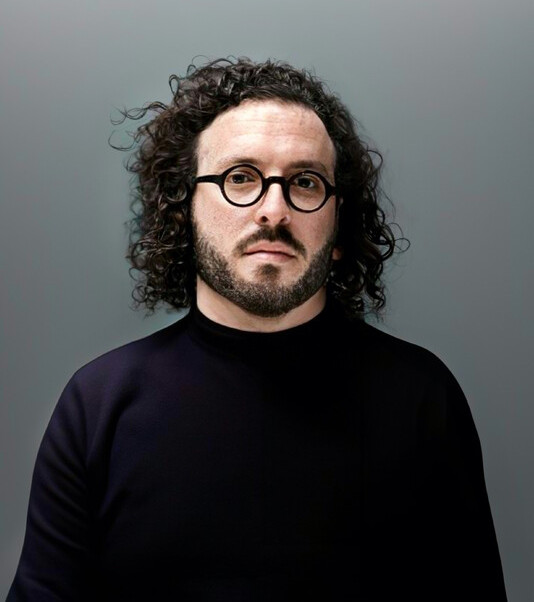
Elias Suhail
Elias is a British-Moroccan writer and filmmaker whose work explores the complexities of the human condition. His work has been presented live at the Royal Welsh College of Music & Drama, within the framework of «Margins to Mainstream with Michael Sheen»; has also appeared on BBC Sounds and has been published in The New Statesman. Beneath a Mother's Feet is the debut director of Elias.
Elias is a British-Morocco writer and filmmaker whose work explores the complexities of the human condition. He has had work performed to live hearings at the Royal Welsh College of Music & Drama as part of 'Margins to Mainstream with Michael Sheen'; his work has also been featured on BBC Sounds and published in The New Statesman. Beneath a Mother's Feet is Elias's debut directorial.
Country: Morocco / France
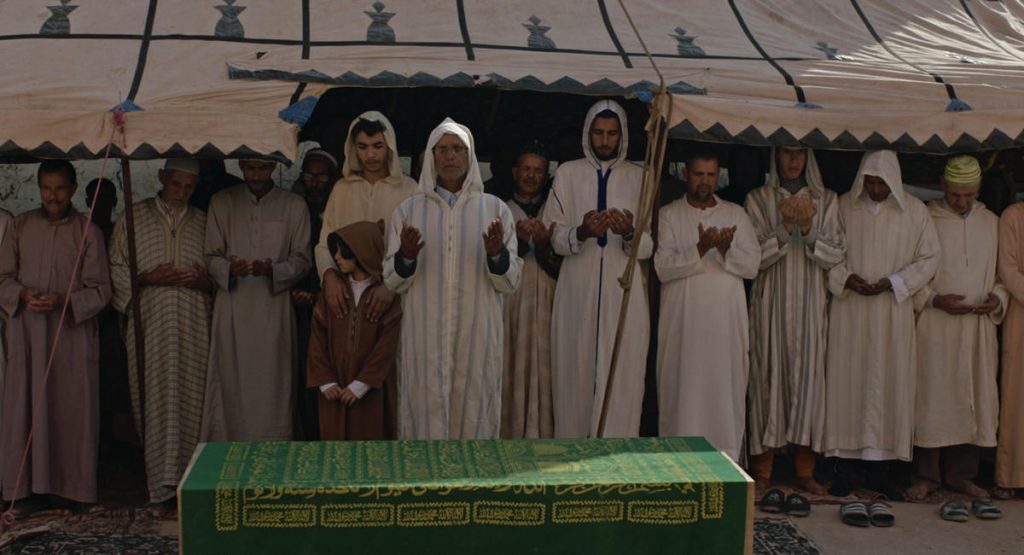
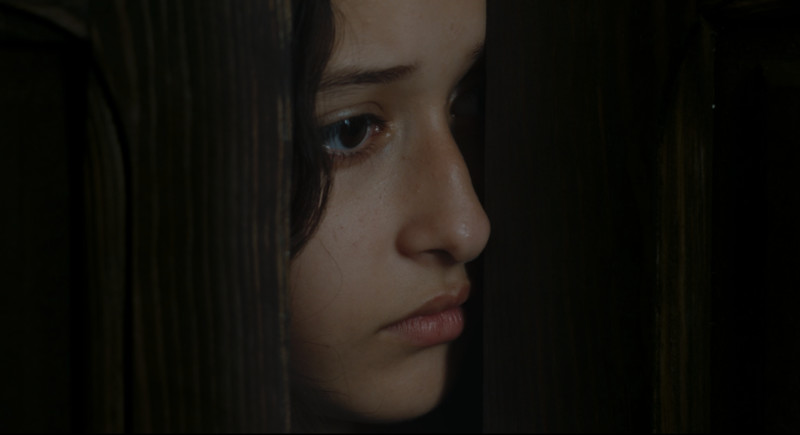
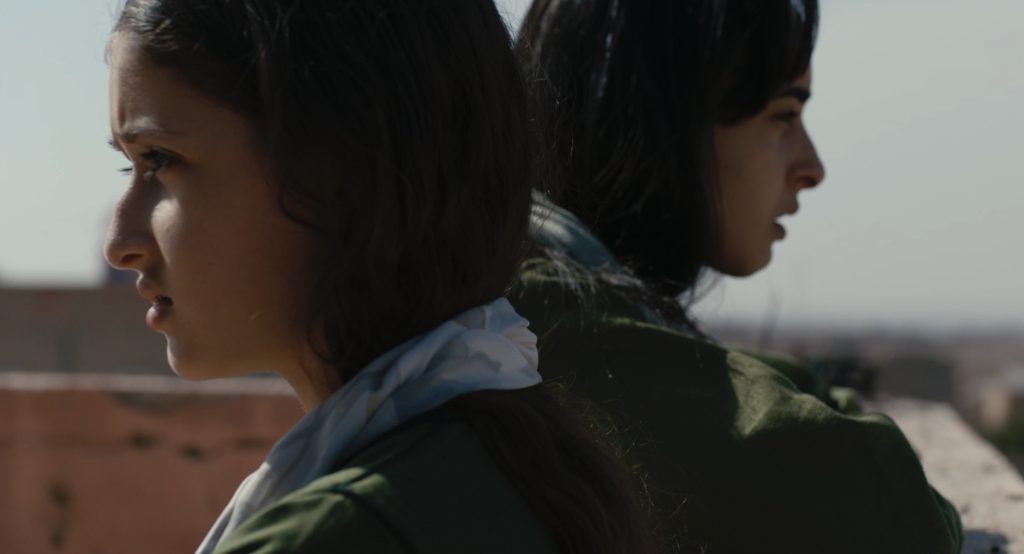
A car is headed for a Moroccan village. On board, Maïne and his family surround the father's coffin. Tomorrow, the men will bury him and the women will wait at home. But the young woman does not see him with good eyes and intends to accompany her father until his last abode.
A car drives to a Moroccan village. On board, Maïne and her family surrounded the father's coffee. Tomorrow, the men will bury him and the women will wait at home. But the young girl takes a very dim view on it and intends to lead with her father to his final resting place
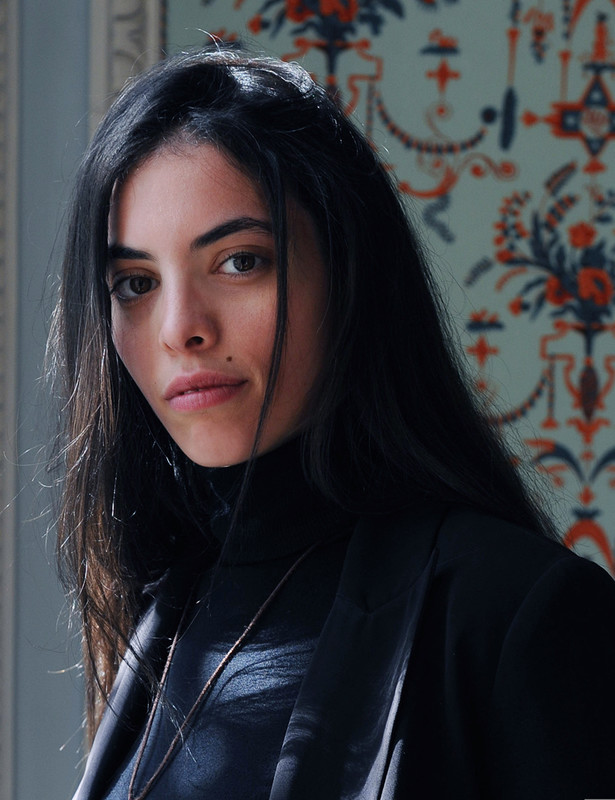
Jawahine Zentar
After studying administration, Jawahine Zentar began working in the film industry as a management assistant, and followed the directors on the set for 10 years. «South la tombe de mon père», rather autobiographical, is his first film as a screenwriter and director. It is currently developing other short film and feature film projects.
After studying management, Jawahine Zentar started working in the film industry as an assistant director, and followed directors on set for 10 years. "Sur la tombe de mon père," rather autobiographical, is her first film as a scriptwriter and director. She is currently developing other short and fature-length projects.
Country: Morocco
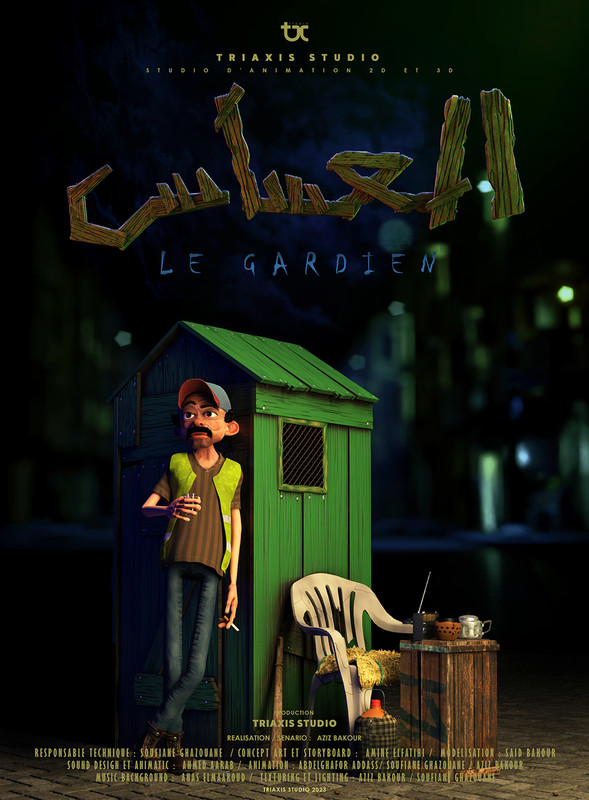
This story teaches us that when we always use news about others' problems, we never think that our problems could also be on the trading news lists.
The guardian did not want to consume the problems of others, so he intended to escape the circle of negativity through the cheerful music of the radio. However, the problems came to him, dragging him by any possible means; first by sound, then by touch, then by visual, and by text! and by falling into the trap of being interested in other sorrows he became himself a newspaper holder.
This story shows us that when we always consume news about other people's problems, we never think that our problems might as well be on the trending news lists.
The guardian didn't want to consume other people's problems so he was aiming to escape the circle of negativity through joyous music on the radio. However, the problems came to him, dragging him in via any possible medium; first by sound, then touch, then visuals and text! and as he fell into the trap of being interested in other wisdom he became a headline in the newspaper himself.
Aziz and Said Bakour
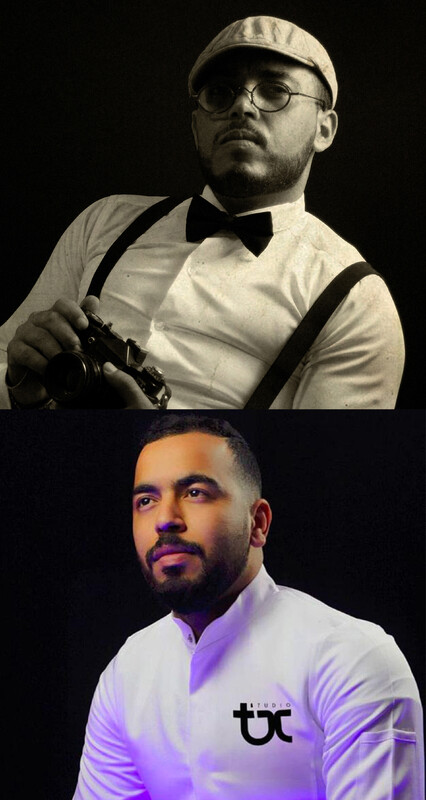
Aziz Bakour, designer and professional in 3D and 2D programs. He worked on modeling and animation and presented successful and creative solutions to well-known companies. He made numerous illustrations and encouraged 3D characters.
Said Bakour a motivated, adaptable and responsible CGI artist with 5 years of experience in several related fields looking for a position in an animation festival that will use the professional and technical skills developed through past work experiences in these fields.
Aziz Bakour, a designer and professional in 3D and 2D programs. Worked on modeling and animation and presented successful and creative solutions to well-known companies. Did a lot of art and animated 3D characteristics.
Said Bakour a motivated, adaptable, and responsible CGI Artist with 5 years of experience in various related fields seeking a position in an animation festival that will use the professional and technical skills developed through past work experiences in those fields.
Country: Morocco
North Africa, a near future, a series of extremely violent sexual attacks cause massive public protest and a radical change in the political landscape.
A new law was passed that introduced a curfew for women. From 9: 00 p.m., any crime committed against women is no longer punishable by law. At night, teenage gangs walk the streets to prey hunt.
Every morning, Samira, single mother, has to get through the city to go to work. Every night you have to come home before curfew. His son Nabil starts dating one of the bands, and is attracted to his ruthless leader, who becomes a father figure.
One night, he stays alone on the street after the curfew. Samira takes a career for survival to get home.
North Africa, near future, a number of extremely violent sexual assaults causes a massive public outcry and a radical shift in the political landscape.
A new law is passed installing a curfew for women. After 9PM, any crime committed on women is no longer punishable by law. At night, gangs of teenagers roam the streets, hunting for prey.
Every morning Samira, a single mother, has to commute across the city to get to work. Every evening she has to make sure she's back home before the curfew. Her son Nabil starts to hang out with one of the gangs, and gets drawn in by their ruthless leader who becomes a father figure.
One night, she ends up alone in the streets after the curfew. A race for survival begins for Samira to make it home.
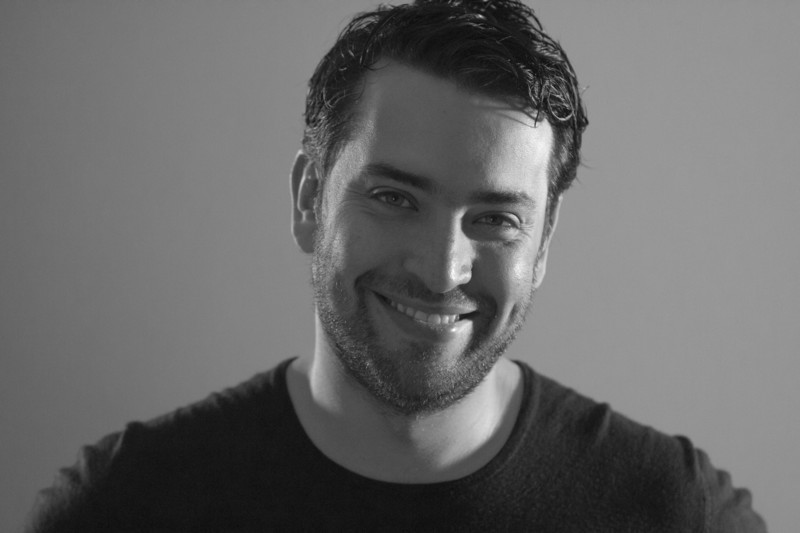

Karim Souissi
Karim Souissi, born in Rabat in 1987, is a Moroccan director and producer.
After studying film at the ESRA in Paris, Karim Souissi worked on numerous films in Morocco as a management assistant and production assistant for international productions. In 2013, he co-founded Pixel, a producer who mainly makes custom films.
In 2015, he directed Hand Maid, a 90-second short film that won several awards, including the Encounters Bristol International Film Festival, where he won the Jury Award and the Public Prize.
In 2018, he directed The Daily Phantom, a series of live-film sessions for indie rock band Scaffolder, released exclusively by The Rolling Stone Magazine France.
At the end of 2022, he completed a short film supported by AFAC.
In his latest projects, Karim Souissi tries to explore the formal possibilities of gender cinema to question and address specific issues of class or gender.
Karim Souissi, born in Rabat in 1987, is a Moroccan director and producer.
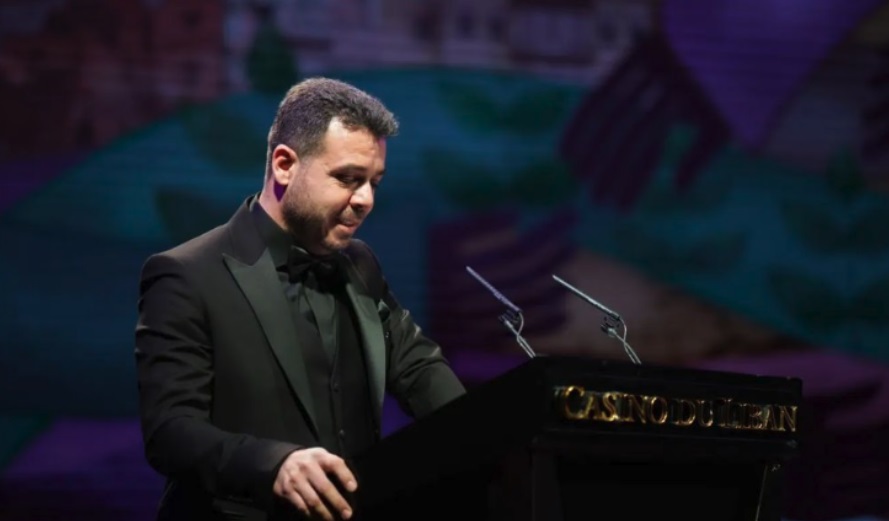
A selection made by...
Sam Lahoud
Sam Lahoud is a renowned figure in the film, theatre and media sectors, with functions ranging from screenwriter, director and producer to film consultant. Since 1994, Lahoud's impressive works include films such as Void, candidate for the Lebanese Academy Awards in 2015, and C-Section, pre-selected for the HFPA Golden Balloons in 2020. He's appeared in the magazine. Arab Cinema Center of Cannes three times between 2018 and 2022 among the 101 personalities that matter in Arab cinema.
Lahoud is the founding president of the Beirut Film Society, who advocates responsible cinema and initiatives such as the Lebanese Film City, the Lebanese Film Commission and the National Film and Theatre Fund.
Lahoud has been crucial in promoting inclusion and human rights. He founded many film festivals, such as the Beirut International Women's Film Festival, the Beirut International Short Film Festival, the Summer Film for Peace Academy and the Canadian Lebanese Film Festival, among others.
From an academic point of view, Lahoud is a lecturer at Notre Dame de Louaize University. His educational career includes positions such as the Founding Director of Communications at the NDU and the realization of a doctorate in Media Studies at Saint Joseph University in Beirut.
Throughout his career, Sam Lahoud has taught various formations, master classes, panels, workshops and seminars on topics such as production, management techniques, actor management, digital narration, responsible cinema, script writing, sacred theatre and media literacy and peace-building.
A selection made by...
Sam Lahoud
Sam Lahoud is a reborn figure in the film, theater, and media sectors with roles ranging from scriptwriter, director, and producer to film consultant. Since 1994, Lahoud's impact works include films such as «Void,» the Lebanese Academy Awards submission in 2015, and «C-Section,» shortlisted for the 2020 HFPA Golden Globes. He's been celebrated in Arab Cinema Center Magazine at Cannes three times from 2018-2022 among the 101 individuals that matter in the Arab Cinema.
Lahoud is the Founding President of Beirut Film Society, advocating for responsible filming and initiatives like the Lebanese Cinema City, the Lebanese Film Commission, and the National Fund for Film and Theater.
Lahoud has been pivotal in promoting inclusiveness and human rights. He founded many film festivals, like Beirut International Women Film Festival, Beirut Shorts International Film Festival, Cinema for Peace Summer Camp Academy, the Lebanese Film Festival in Canada, among others.
Academially, Lahoud is a Senior Lecturer at Notre Dame University - Louaize. His educational journey includes positions like Founding Director of Communications at NDU and pursuing a Ph.D. in Media Studies at Saint Joseph University - Beirut.
Throughout his career, Sam Lahoud has conducted various trainings, masterclasses, panels, workshops, and seminars on topics such as production, directing techniques, directing actors, digital storytelling, responsible cinema, scriptwriting, sacred drama, and media literacy and peace building.
House of Culture. Pz. de Austria, s / n. 29631. Honey Arroyo. Benalmádena.

FICCAB © 2025 by agdezavisual 6/ Alejandro Ruiz