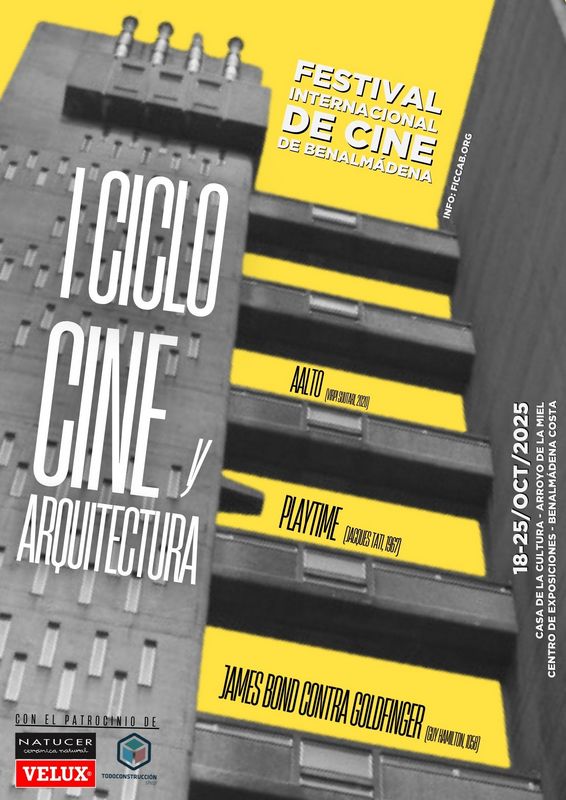
When we talk about the seven great arts, it is inevitable to find bridges between them. Painting, sculpture or architecture have historically dialected with cinema, feeding themselves and finding on the screen a way to express ideas that, beyond the plans and sketches, come to life in real space.
This cycle proposes a look at this fascinating relationship between cinema and architecture, two disciplines that share the same objective: to build worlds. From the visual experiments of Bauhaus to the contemporary decorations that mix art and urbanism, cinema has been able to turn modern architecture into something understandable, desirable and deeply emotional. As Sigfried Giedion, the Swiss architect for modernity, pointed out, "cinema is the only means to make modern architecture intelligible to society."
"Cinema and Architecture" invites you to discover how cinema not only reflects the world we live in, but also imagines other possible ones. An opportunity to explore the power of space, light and moving form.
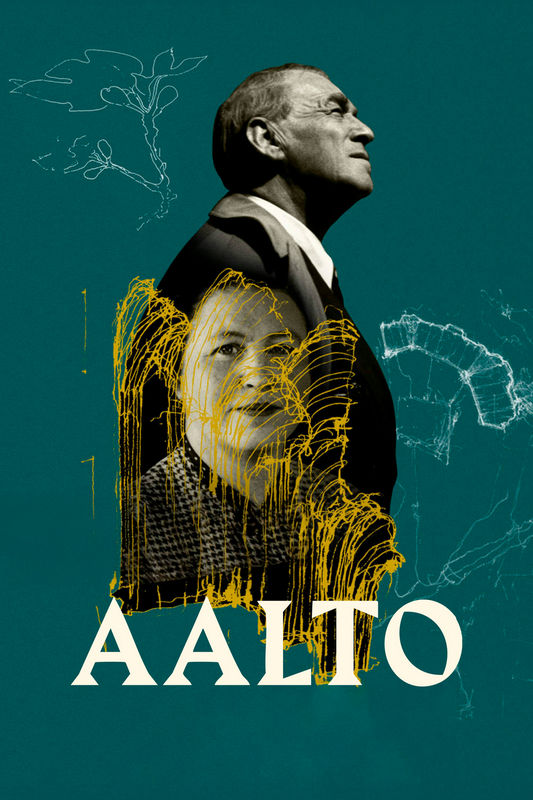
Title: Aalto
Year: 2020
Duration: 103 min
Country: Finland
Address: Virpi Suutari
Script: Jussi Rautaniemi, Virpi Suutari
Cast: Documentary. With interventions by Alvar Aalto, Aino Aalto, Elissa Aalto
Music: Sanna Salmenkallio
Photography: Heikki Färm, Jani Kumpulainen
A fascinating exploration of Alvar Aalto, one of the key figures of Scandinavian design and one of the most influential European architects in modern history, focused on his relationship with his wife, Aino. Yours was a deeply humanist vision that put people at the center of design, either by designing furniture or building huge architectural infrastructures. They used to have great times like Le Corbusier, Gropius, Moholy-Nagy, and Frank Lloyd Wright. This is a cinematic tour of its most emblematic buildings around the world, from the bookstore in Russia, the student residence at the MIT, the house of an art dealer in Paris and a pavilion in Venice. Narrated by experts in the field of architecture, it has material never seen before. A story of love and art of an extraordinary couple with a great passion for architecture on a human scale.
Original title: Playtime
Year: 1967
Duration: 155 min
Country: France / Italy
Address: Jacques Tati
Script: Jacques Tati, Jacques Lagrange, Art Buchwald
Music: Francis Lemarque
Photography: Jean Badal, Andréas Waring
Main meeting: Jacques Tati, Barbara Dennek, Rita Maiden, Valérie Camille, France Rumily,
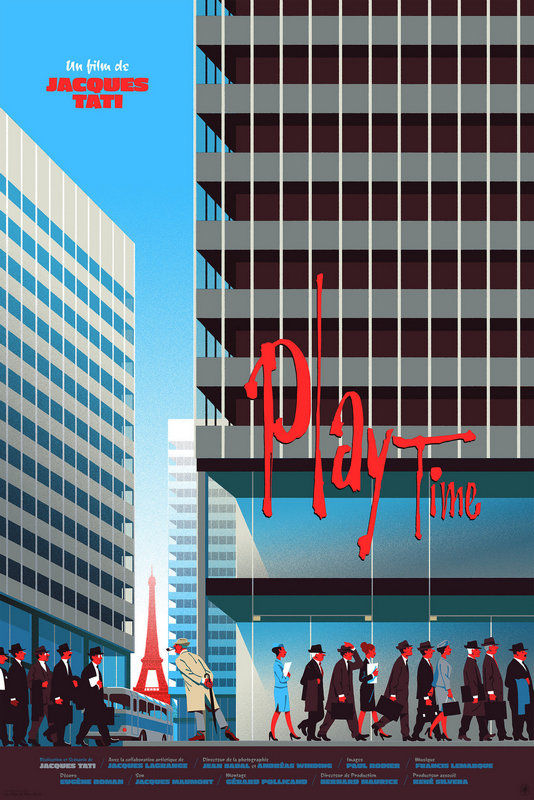
Playtime is set in a futuristic Paris dominated by impersonal modernity and dehumanized architecture. The story is articulated in six sequences connected by two characters: Barbara, a young American tourist who travels Paris with a group of visitors, and Monsieur Hulot, a somewhat disoriented French in the middle of the new city.
It is nothing new to say that Jacques Tati had a special sense of how to treat the spaces for his films, but beyond that it was an advance in visualizing the problems that modernist development would mean, from an architectural, almost worldly level, to the urban scale of the cities and systems within them. More than 40 years of its premiere, Playtime is a classic clear for cinephiles and architecture lovers.
Original title: Goldfinger
Year: 1964
Duration: 155 min approx.
Country: United Kingdom
Address: Guy Hamilton
Script: Richard Maibaum, Paul Dehn, Ian Fleming
Music: John Barry
Photography: Ted Moore
Main meeting: Sean Connery, Gert Fröbe, Honor Blackman, Shirley Eaton, Harold Sakata
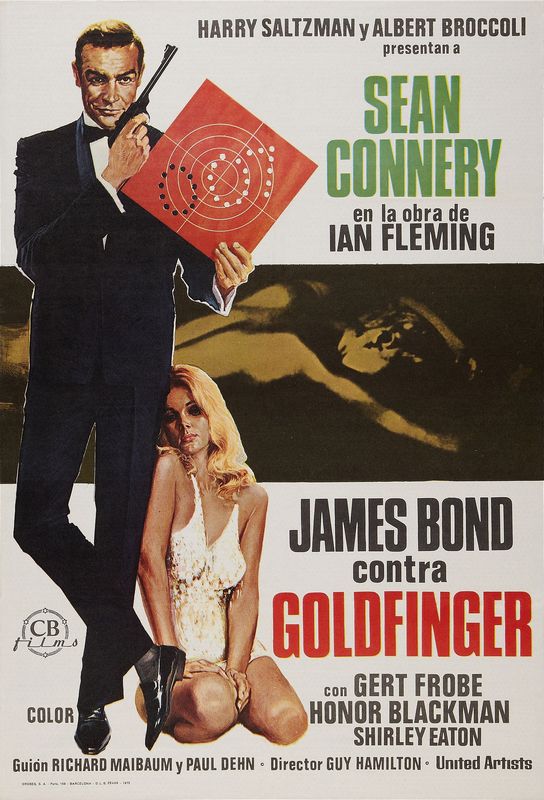
James Bond, after thwarting a drug-trafficking operation in Mexico, receives the mission of investigating Auric Goldfinger, a gold-obsessed magnate. His research leads him to Fort Knox, where he discovers the villain's plan: to contaminate American gold reserves with radiation to increase the value of his own fortune.
Goldfinger is an emblematic example of the dialogue between spy cinema and modern architecture. The spaces designed for the film, from the interiors of Fort Knox to Goldfinger's laboratories or luxury residences, reflect the technological and futuristic spirit of the 1960s. The film elevates the architectural design to a narrative component: the volumes, metal textures and geometries of power become an extension of Bond's own character and a symbol of the industrial domain of the time.
House of Culture. Pz. de Austria, s / n. 29631. Honey Arroyo. Benalmádena.

FICCAB © 2025 by agdezavisual 6/ Alejandro Ruiz