There is a certainty that we share all human beings, beyond the language, culture or time it has taken us to live: we need a place to be. A roof, a wall, a corner we recognize as our own when we return to it after a long day. The house is not just an architectural object or a commodity that is bought and sold: it is the first stage of our biography, the place where we learn to want, to fear, to grow and finally to die. Under this conviction the motto of the second edition of our Film and Architecture Cycle is born: the house we live in.
The phrase contains a reciprocity that we want to explore throughout these sessions. The house makes us, because its walls, light, distribution and memory are shaping who we are; and we make the house, because we inhabit it with our gestures, fill it with objects that tell our history and transform it as our needs and our affections change. There is no house without a inhabitant, as there is no inhabitant (at least not fully human) without a place to call home.
To think of this relationship, it has been inevitable for us to return to one of the most lucid reflections that have been written about the dwelling: that of the philosopher Martin Heidegger, who in his essay Building, Living, thinking that building is not simply a means to achieve the living, but is already, in itself, a way of living. We built because we lived, Heidegger said, and not the other way around. Before we raise a wall we are already in relation to the earth, to heaven, to others and to our own finitude; the act of building is the way in which human beings respond to that original belonging to the world. To live, in this sense, is not just to stay: to care, to stay, to let things and people be what they are in the space we share.
This idea serves as a driving thread for the three films selected this year, three very different looks on the house and its fractures.
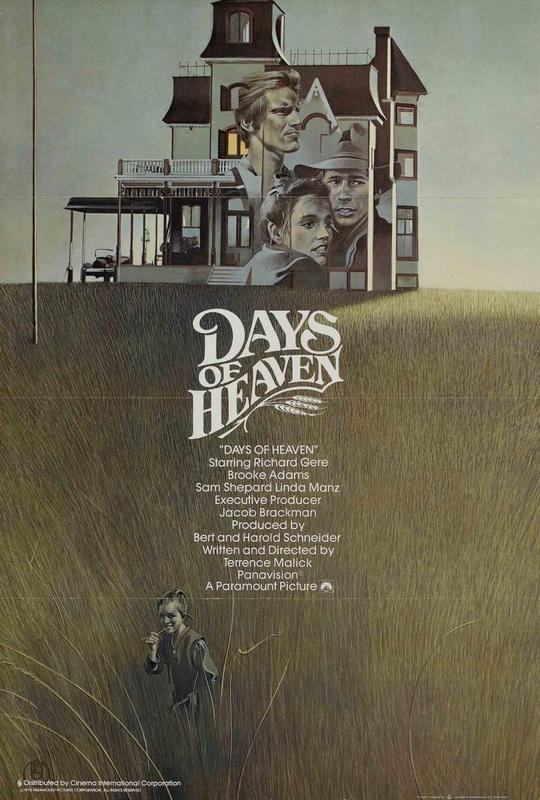
Year: 1978
Duration94 min.
Country: United States
Address: Terrence Malick
Script: Terrence Malick
Music: Ennio Morricone
Photography: Nestor Almonds
Production: Paramount Pictures
Genre: Drama / Rural life
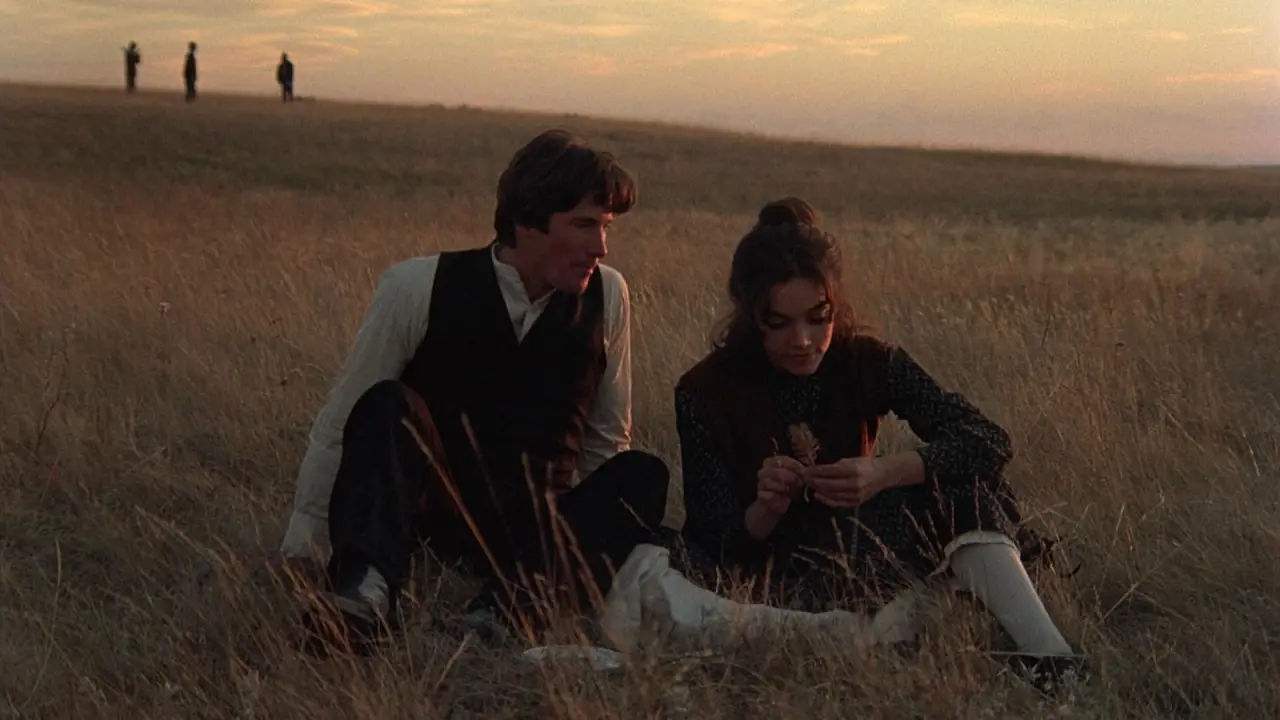
In 1916, Bill and Abby, a young couple, decided to abandon the poverty and hard life of Chicago. Accompanied by Linda, Bill's sister, they travel to Texas's immense wheat fields, where they find work as day workers on a farm.
After the harvest, the young and wealthy owner, who believes that the three are brothers, proposes to stay. He's in love with Abby. The couple decides to take advantage of the situation, but their plans will end up triggering a story marked by love, jealousy and tragedy, amidst the majestic landscapes of the great American plains.
Days of heaven, of Terrence Malick, we are interested in its way of filming the dwelling in its most fragile and provisional condition, in constant dialogue with a nature (light, wind, earth) that is not always on our side. Malick puts his characters at a threshold between the arraigo and the intemperate, and that precariousness, always about to break, anticipates a question that goes through our own present.
Because if we have wanted to bring something into this cycle, it is precisely that uncomfortable question: what happens when the house is missing? When human beings do not have that own space which Heidegger considered to be a constituent of their way of being in the world, something essential is broken. We are not just talking about a material lack, but about a wound in the very possibility of living, of caring, of staying. This reflection leads us, in an almost inevitable way, to the growing difficulty that so many people today face in accessing a decent housing, and to the phenomenon, increasingly visible in our cities, of Shogharianism. He who has no house not only lacks a roof: he lacks the place from which to build himself.
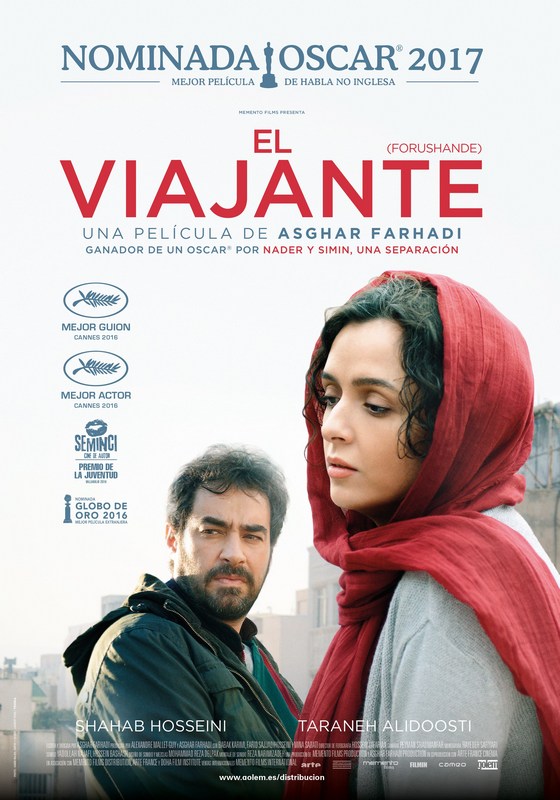
Original title: Forushande Year: 2016
Duration: 125 min.
Country: Iran / France
Address: Asghar Farhadi
Script: Asghar Farhadi
Music: Sattar Oraki
Photography: Hossein Jafarian
Production: Farhadi Film Production, Memento Films Production, Arte France Cinéma, Doha Film Institute
Genre: Drama / Drama psychological
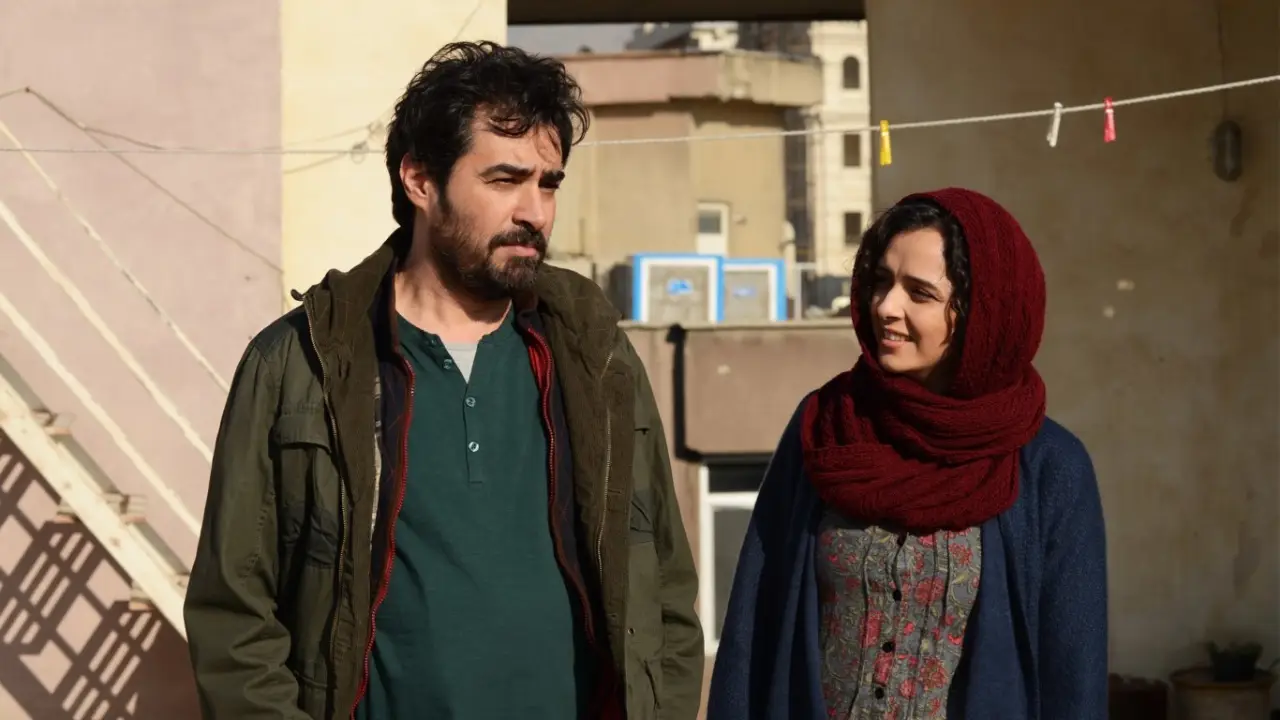
Emad and Rana, a young couple living in Tehran, are forced to leave their apartment in a hurry when the works on a nearby ground endanger the stability of the building. A partner of the theatre company in which both participate offers them a new home.
However, a serious incident related to the previous tenant of the apartment will profoundly alter their lives and test their relationship. While both represent in the Death of a Traveller, of Arthur Miller, Emad begins an increasingly obsessive search to discover the person responsible for what happened.
The traveler, from Asghar Farhadi, is interested in his way of showing what happens when the home is no longer a safe haven. Farhadi builds all its dramatic tension from a house that is threatened, and from there explores how the fracture of its own space ends up also breaking the security, trust and identity of its inhabitants. It reminds us that the house is never a neutral space: it drags memories that we do not always choose, and when it is invaded or damaged, it drags with it our own emotional stability.
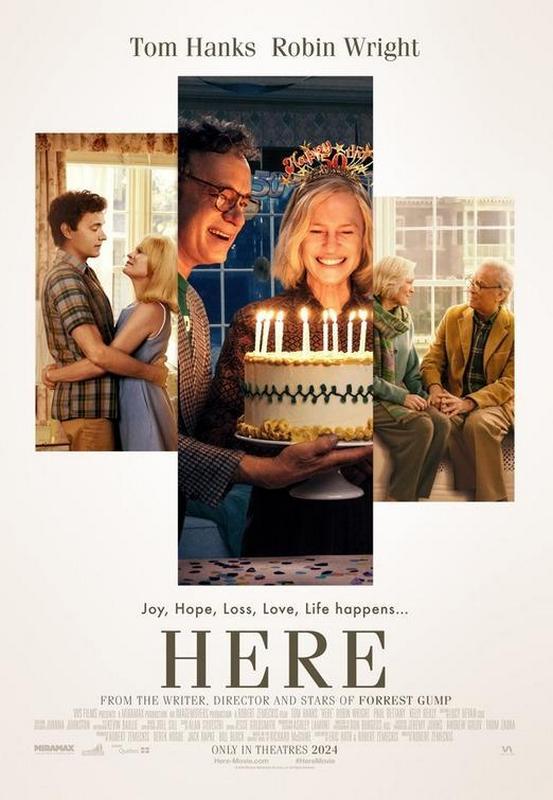
Original title: Here
Year: 2024
Duration: 98 min.
Country: United States / Canada
Address: Robert Zemeckis
Script: Eric Roth, Robert Zemeckis
Based on the graphic novel of: Richard McGuire
Music: Alan Silvestri
Photography: Don Burgess
Production: ImageMovers, Playtone, Miramax
Distribution: Sony Pictures
Genre: Drama / Family
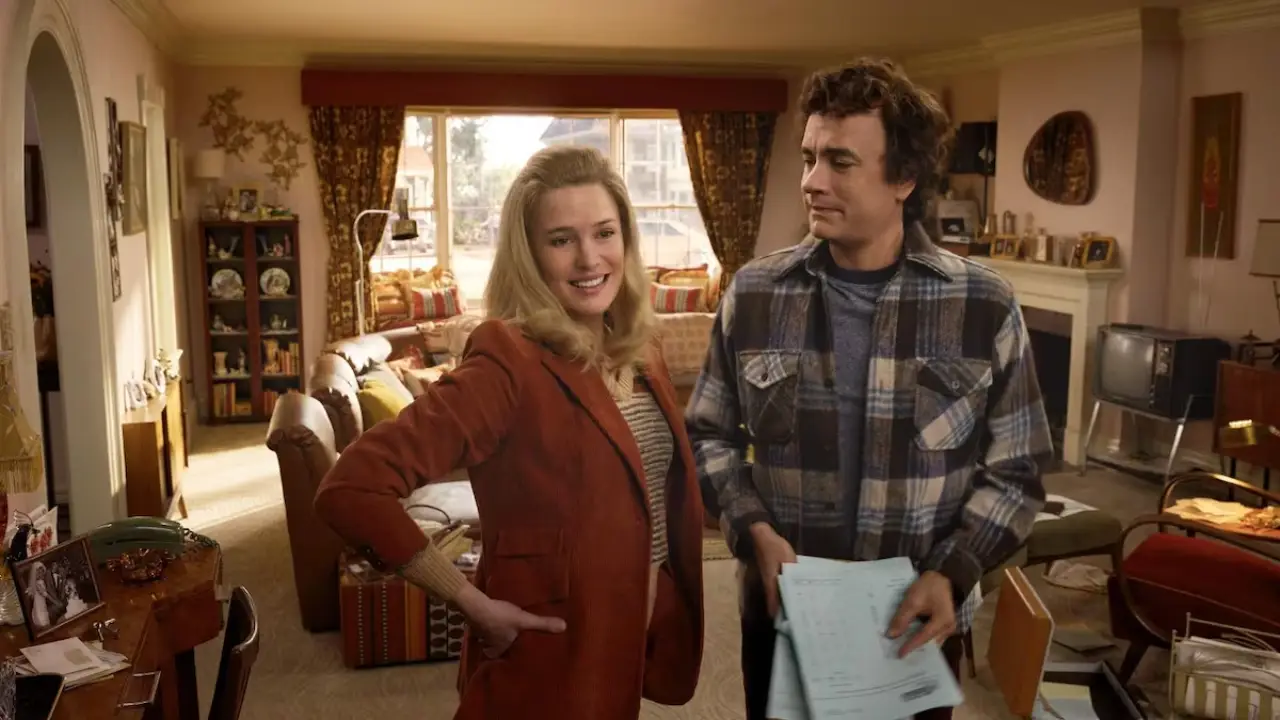
One place and many lives. Throughout generations, different families live in the same space, becoming a silent witness to their stories of love, loss, joys and changes.
Robert Zemeckis builds a journey through time ranging from a very remote past to a near future, keeping his eye on the same point. Hundreds of thousands of years of history go on, from beginning to end, in one place: here.
Here, by Robert Zemeckis, he proposes a formal experiment that fits fully into the spirit of this cycle: he puts the look at a single point in space and let it be time, not the camera, that moves through generations. That fixed point becomes a silent witness of entire lives, and the film invites us to ask how much of us remains in the places we left behind, and how much of those who preceded us we continue to carry in those we live in today.
House of Culture. Pz. de Austria, s / n. 29631. Honey Arroyo. Benalmádena.

FICCAB © 2026 by agdezavisual 6/ Alejandro Ruiz